The problem
A wrong denial and a wrong approval both look clean
Whether an agent wrongly denies a claim that qualifies or wrongly approves one that doesn't, the transaction completes with no error either way. The only signal is a customer appeal or an internal loss-ratio anomaly, both of which surface weeks after the decision.
Coverage rules are specific, and general guardrails don't know them
A generic content-safety guardrail has no concept of your policy's exclusions, waiting periods, or coverage limits. A rule that catches a coverage-limit violation has to be written against your actual policy language, not a category a vendor ships by default.
Regulators ask who approved what, not what the system logged
A claims decision that gets escalated to a regulatory review needs a record of who was accountable — a specific adjuster, a specific automated rule, a specific approval — not a trace showing an API call returned 200.
How Zespan helps
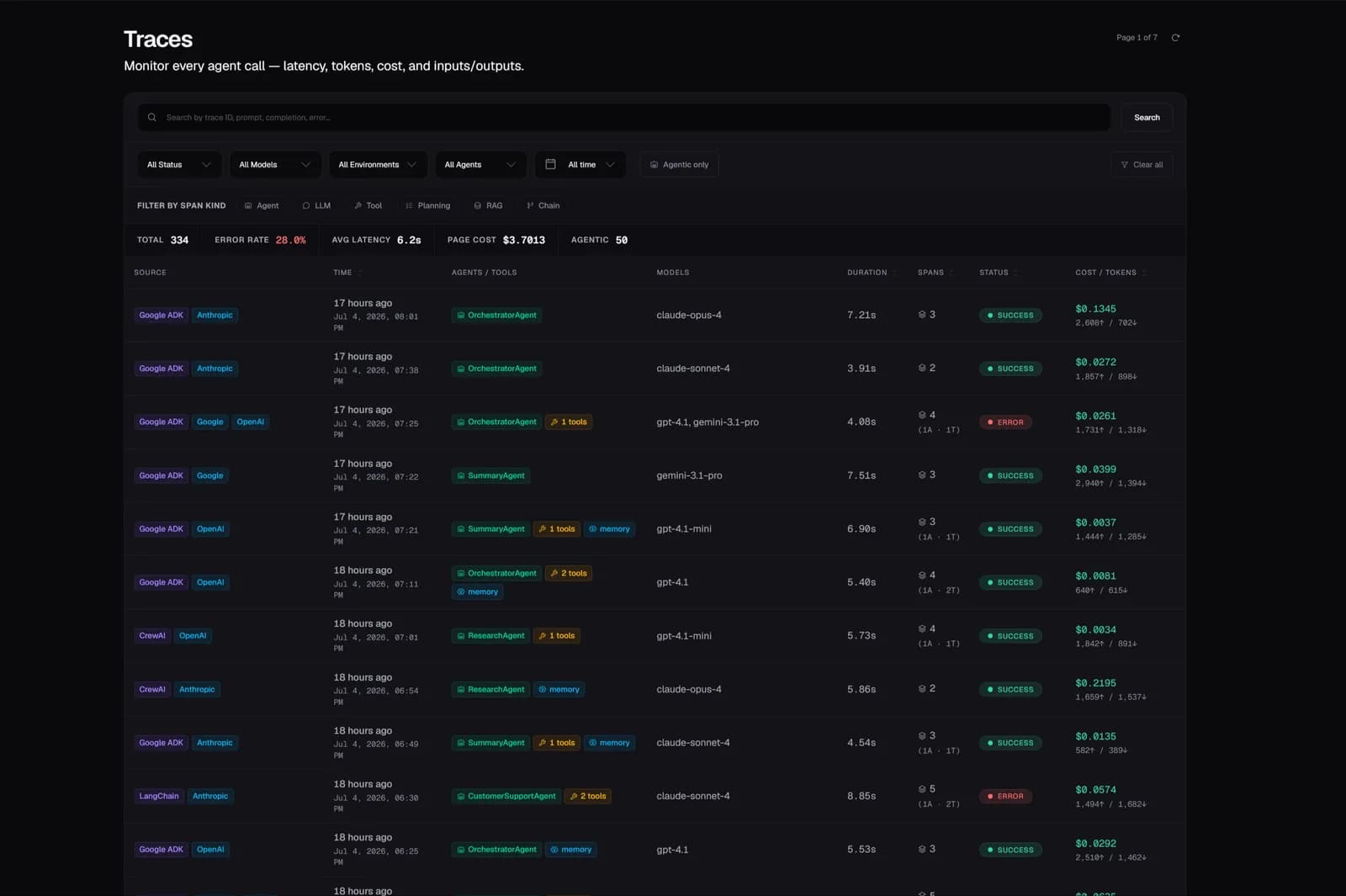
Every claims decision is evaluated against your coverage rules
Approvals, denials, and payout amounts are checked against rules written for your actual policy terms — coverage limits, exclusions, waiting periods — not a generic content check. A wrong decision is flagged even when the claim was processed without any technical error.
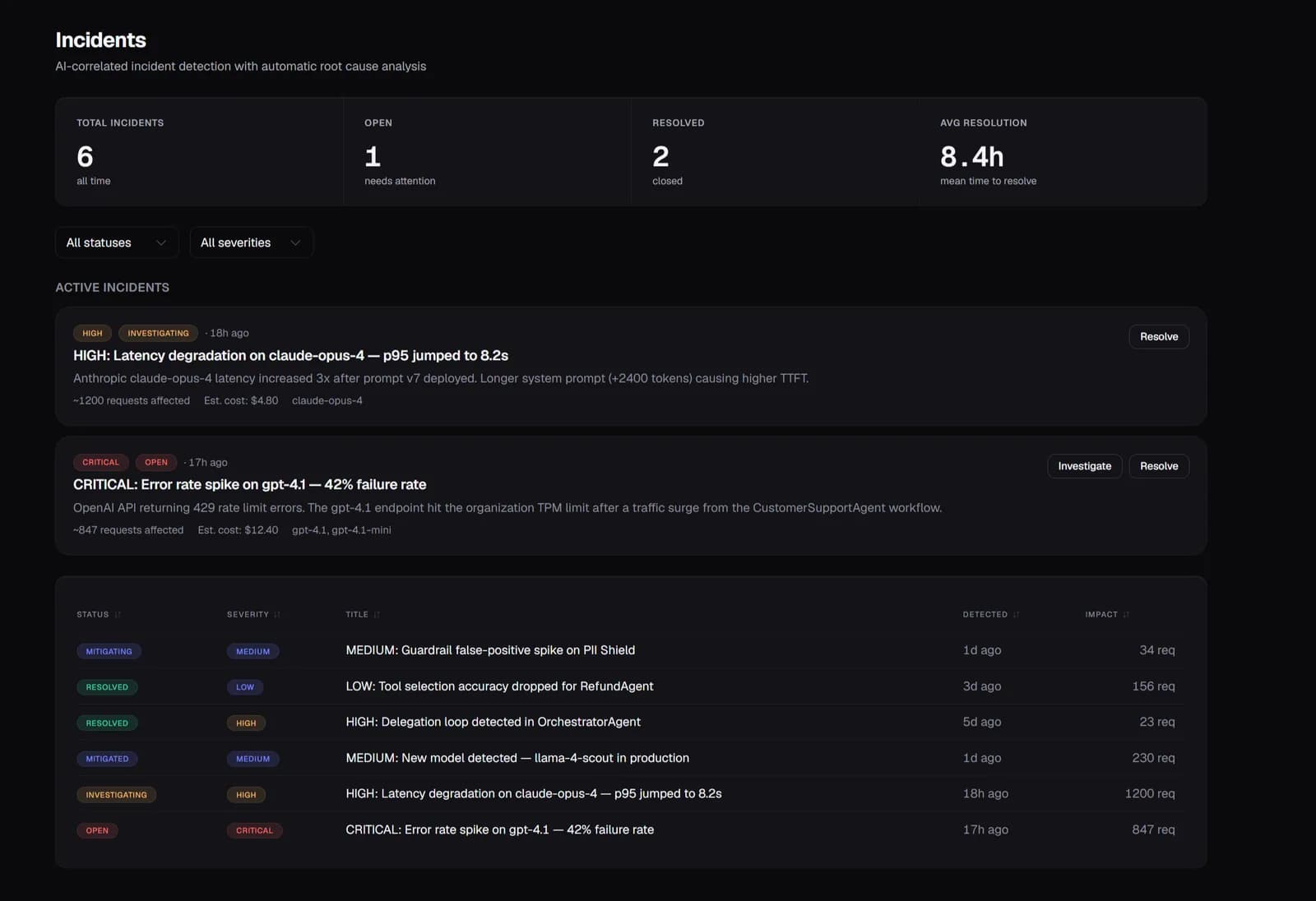
Recurring misclassifications become one tracked issue
If the same coverage rule is misapplied across many claims — a specific exclusion the agent keeps missing — Zespan groups every instance as one issue with a root cause, instead of dozens of separate appeals reaching your team independently.
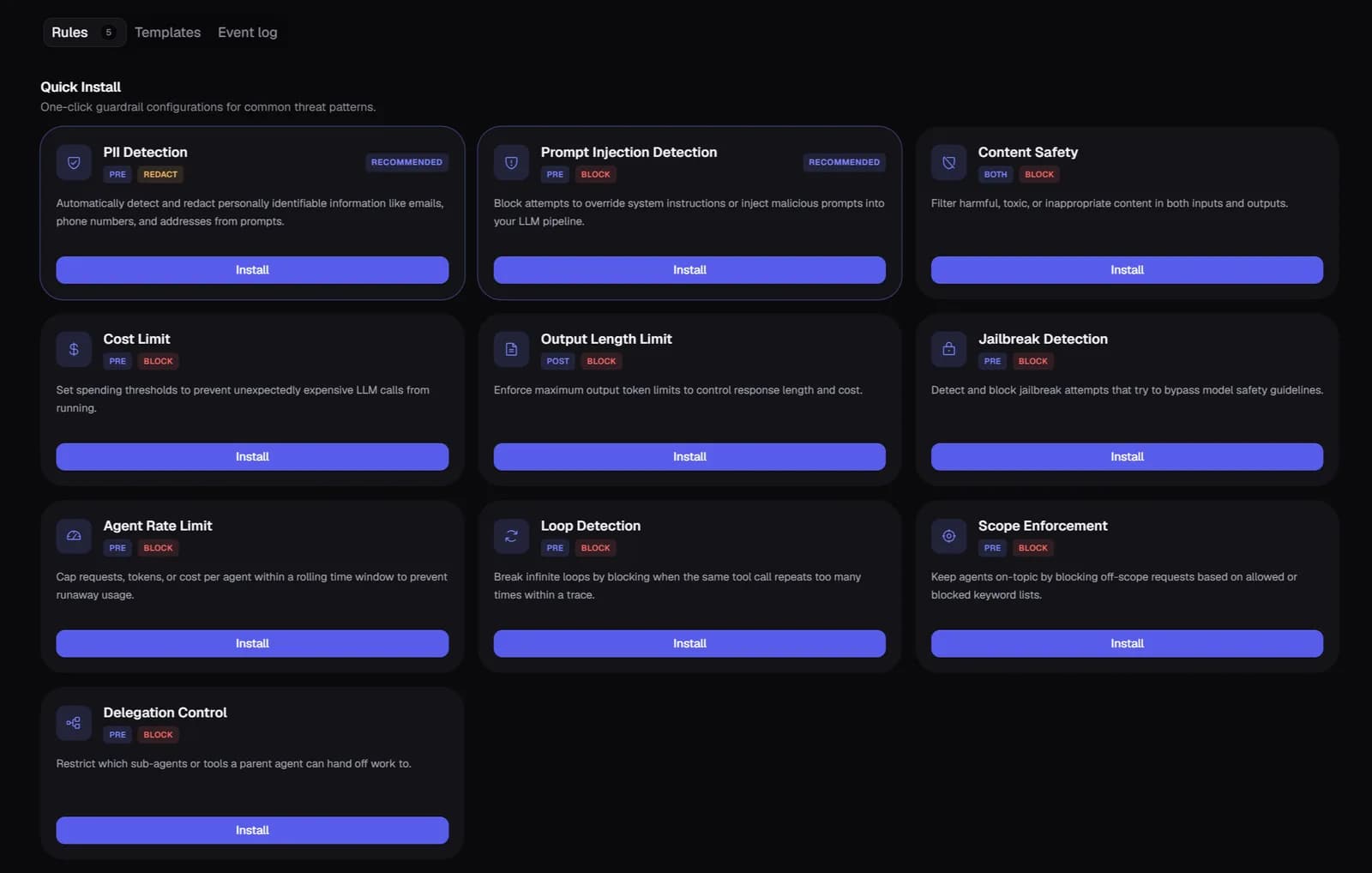
Backtest a new coverage rule before it goes live
Before a rule enforcing a specific coverage limit or exclusion goes live, replay it against claims you've already processed. See exactly how many real misclassifications it would have caught, and how many legitimate claims it would have wrongly flagged.
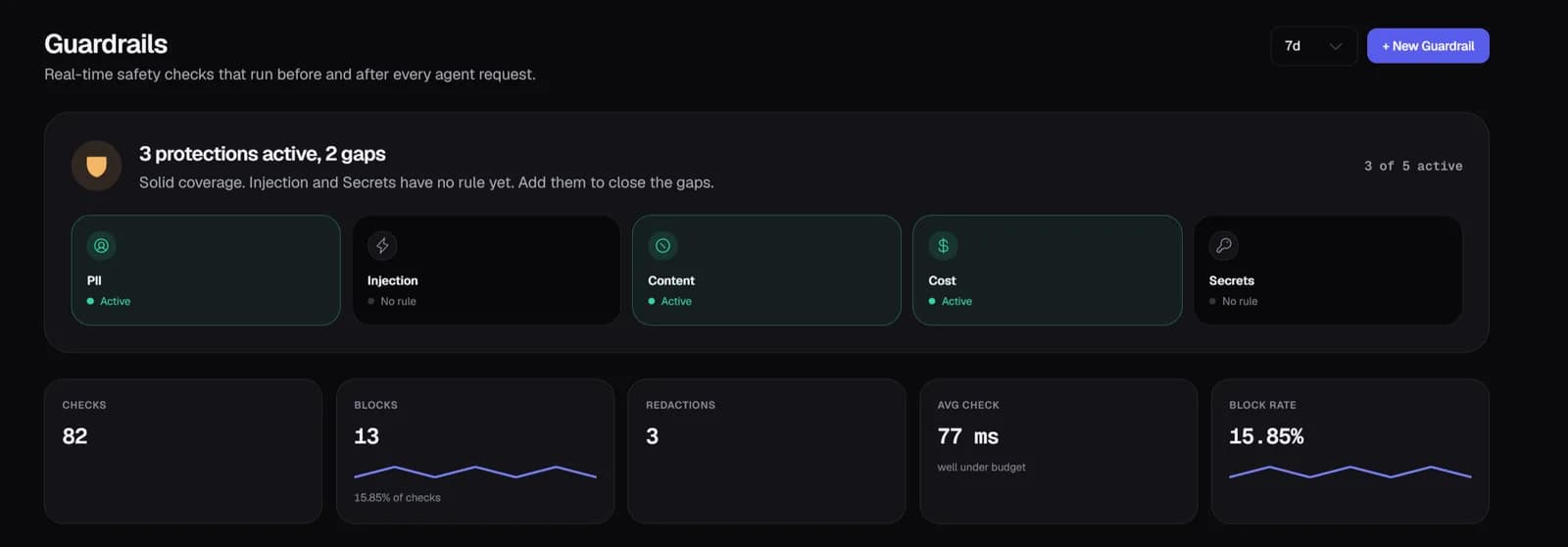
High-value claims hold for adjuster review
A claim above a payout threshold, or one matching a pattern your team wants a human to see, pauses for a named adjuster instead of resolving automatically. The decision and the reason are recorded against that person.
Produce a decision trail for any claim, on request
For any individual claim, produce the full record: what the agent decided, which rule applied, whether it was held for review, who approved it, and when. Built for a regulatory review, not assembled from logs after one is requested.
Start free — 50K traces/month, no card needed
See every agent decision, tool call, and handoff in production. Setup takes a few minutes.
Start free →