The problem
A wrong transaction looks identical to a right one
An agent that approves a transfer outside policy, applies the wrong interest rate, or misreads an account limit completes the request successfully. There's no error to alert on — only the downstream dispute or reconciliation break.
Compliance needs evidence, not a trace log
When a regulator or internal audit asks what the agent was authorized to do and who approved a specific decision, a raw trace log showing an API call succeeded isn't an answer. You need a record that names who is accountable.
One prompt gap repeats across every similar request
A missing constraint in a lending or advisory prompt doesn't cause one bad decision. It causes the same bad decision every time a similar request comes in, until someone notices the pattern from a support escalation or a chargeback.
How Zespan helps
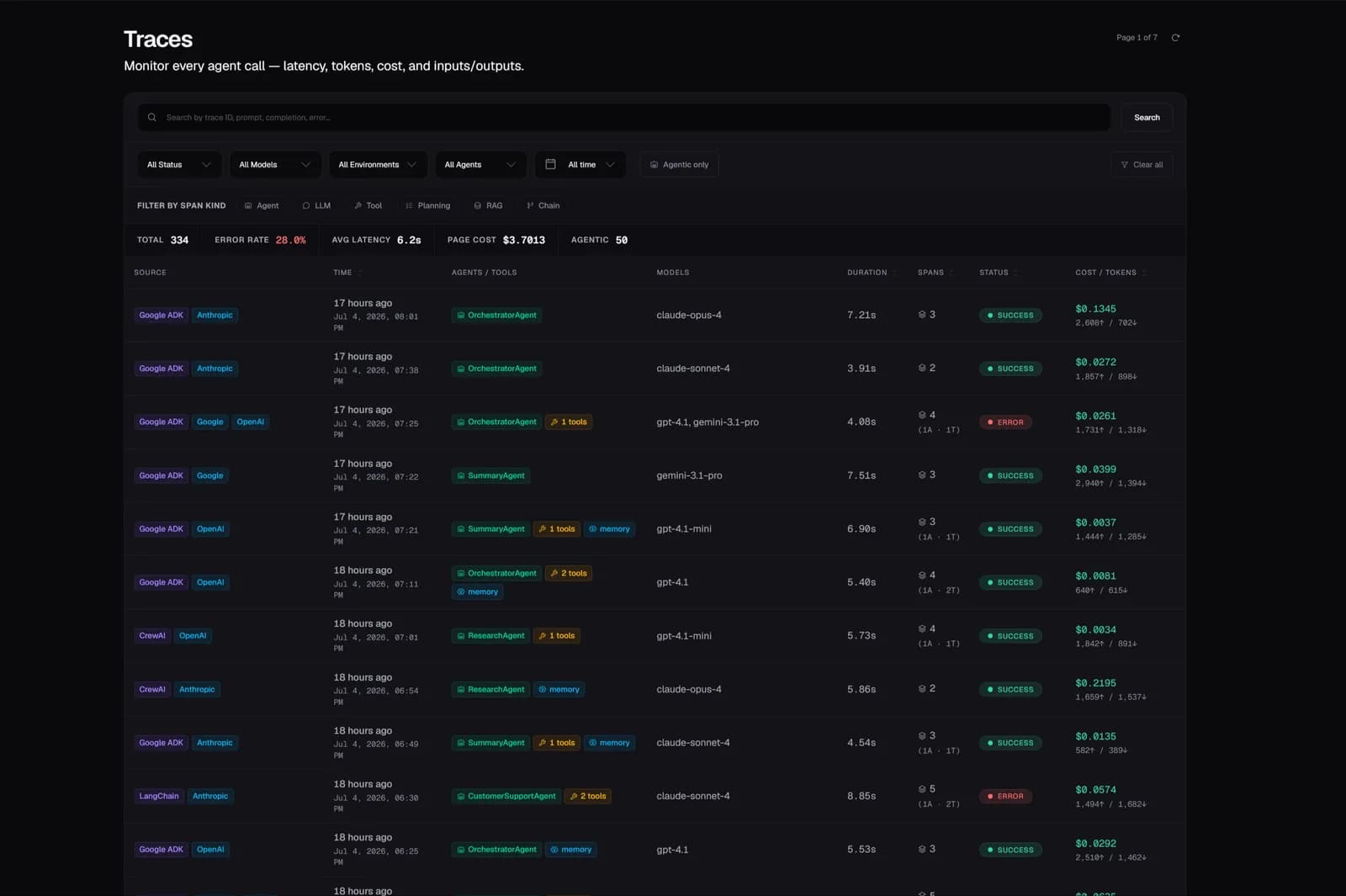
Every agent decision is traced and checked against policy
Every trace — a rate quote, a transfer approval, an advisory response — is evaluated against rules written for your actual policy, not a generic safety rubric. A wrong decision is flagged even though the request completed with no technical error.
Repeated failures group into one issue with a root cause
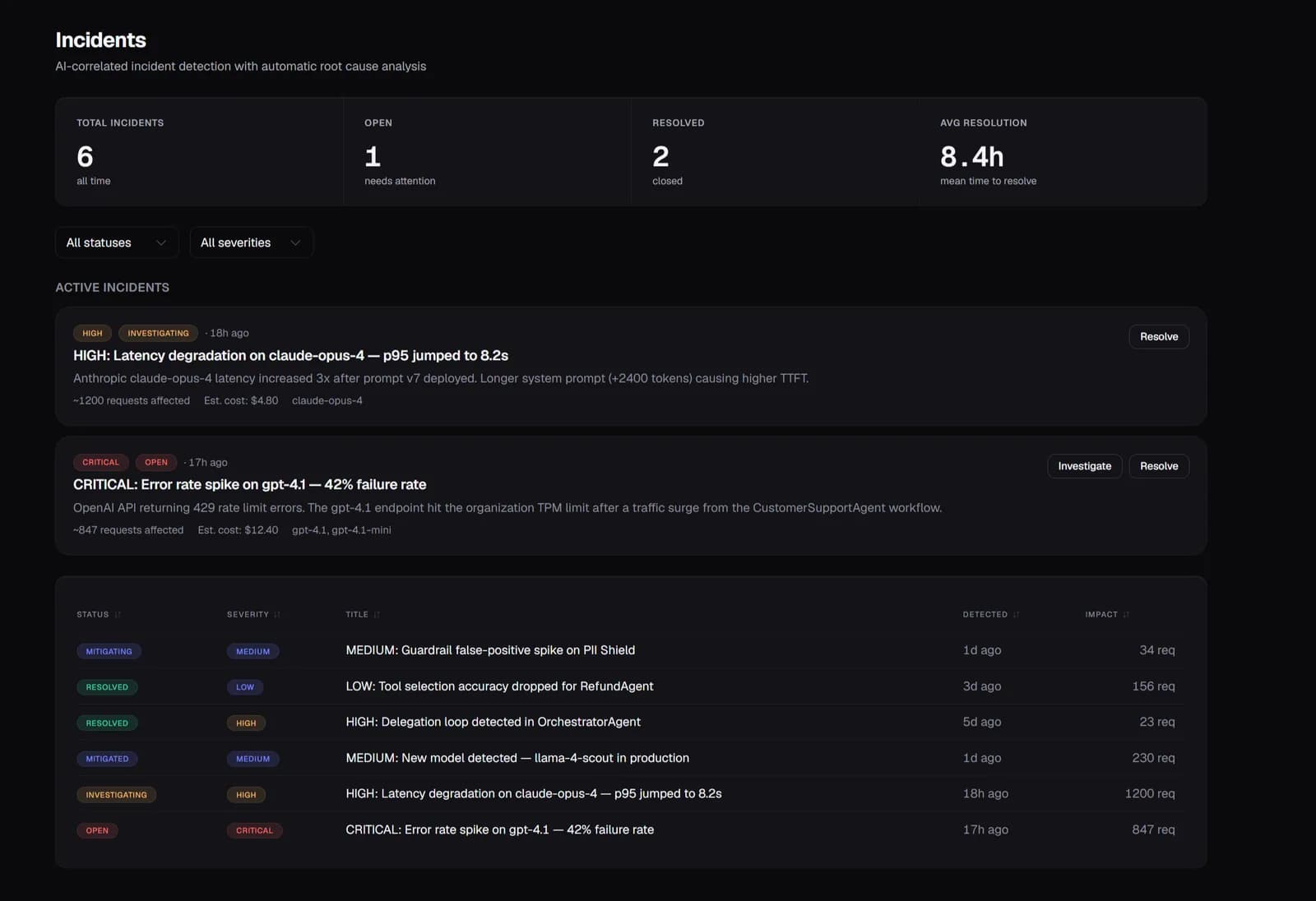
If the same prompt gap produces the same wrong rate or wrong approval across dozens of conversations, Zespan groups them as one issue with an AI-written root cause, instead of a hundred individual alerts to triage by hand.
Turn the failure into a guardrail, tested on your own traffic
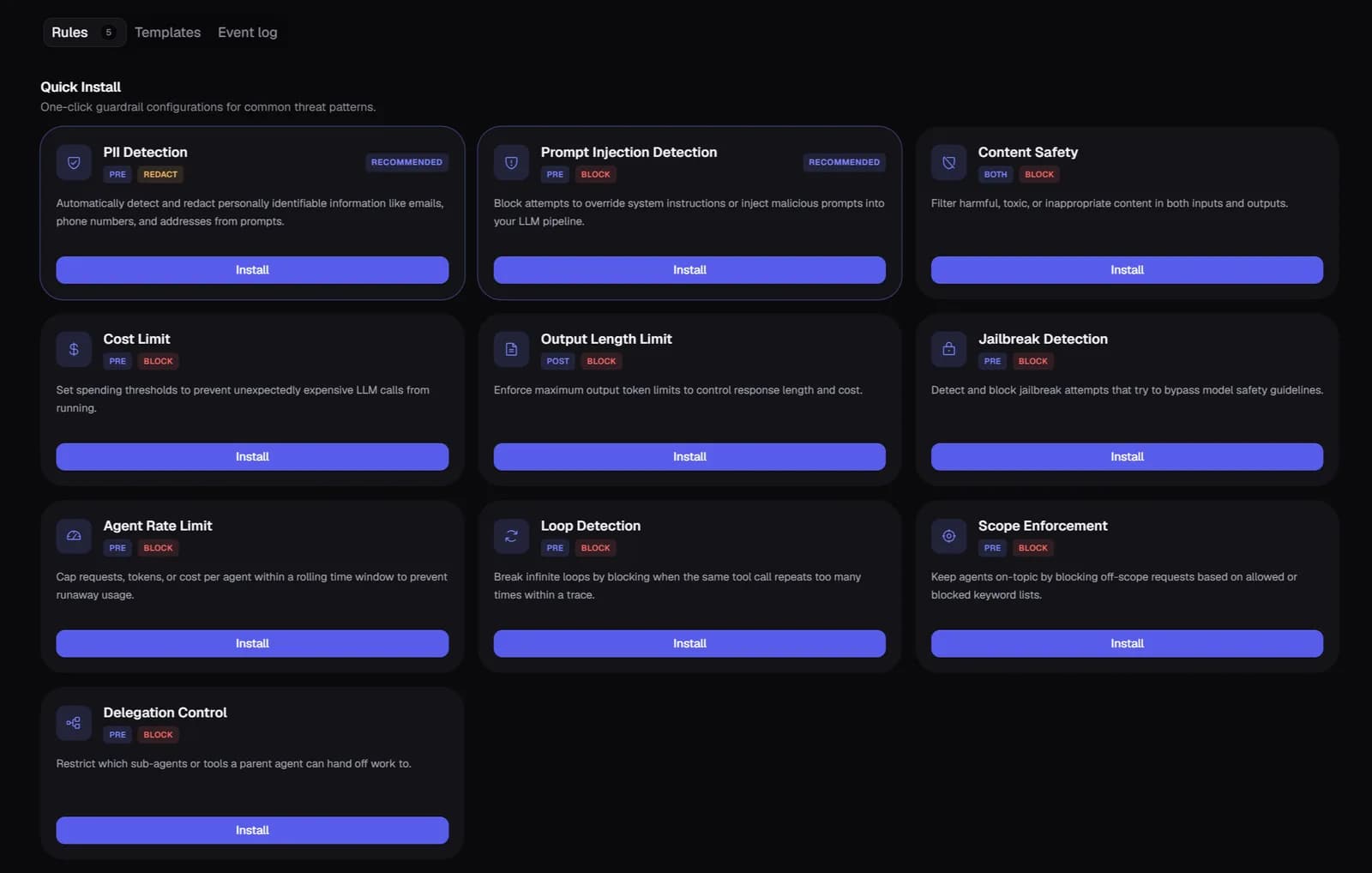
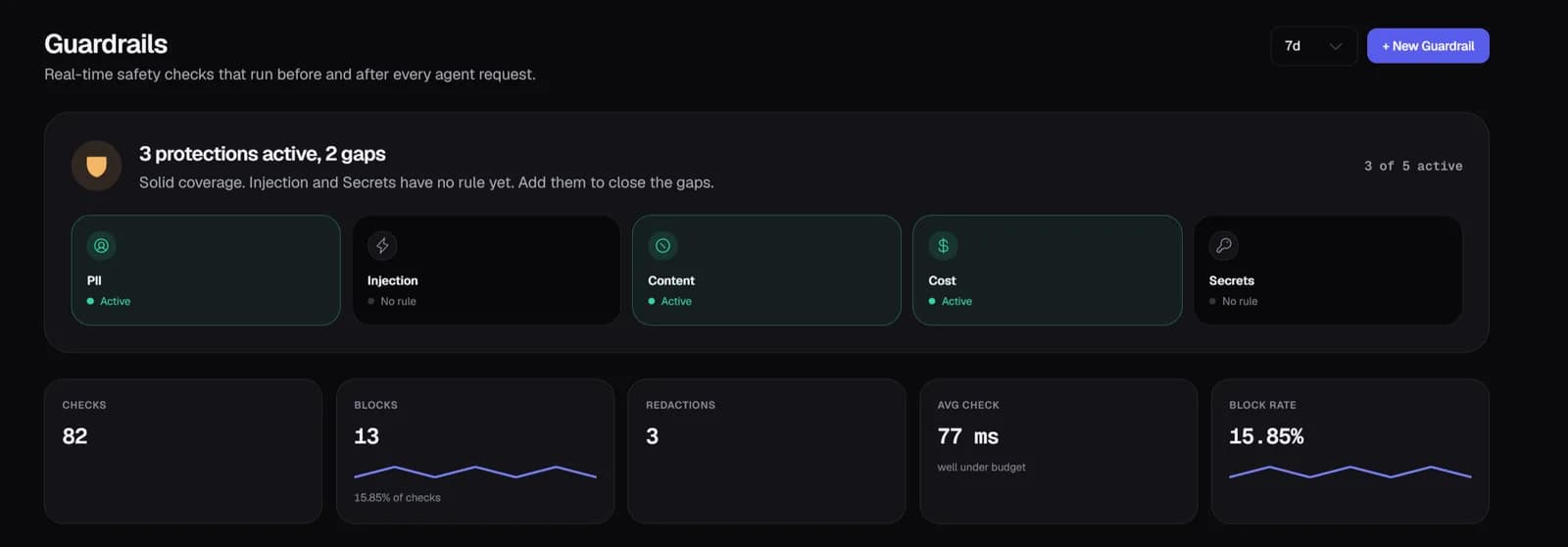
Flag a failing trace and it becomes a policy rule in one action. Before it enforces anything, backtest it against your own past traffic to see what it would have caught and what it would have wrongly blocked — critical in fintech, where a rule tuned too broadly can block legitimate transactions.
High-value actions hold for a named approver
A transaction or approval above a defined threshold pauses instead of executing automatically. A named reviewer decides, and the decision — approved or rejected, with a reason — is recorded against them, not the agent.
Export the audit trail mapped to your compliance controls
Every blocked action, approval, and decision is recorded with the actor type — person, API key, or system — and exportable as evidence for a SOC 2 or internal audit review, not reconstructed from logs after the fact.
Start free — 50K traces/month, no card needed
See every agent decision, tool call, and handoff in production. Setup takes a few minutes.
Start free →