The problem
Every client engagement reinvents the same safety work
Each new client means rebuilding guardrails, approval flows, and audit logging from scratch, because there's no shared layer that travels with the agents you deploy. The same policy-enforcement work gets redone, inconsistently, on every project.
You're accountable for agent behavior you can't fully observe
Once an agent is deployed into a client's environment, visibility into what it's actually doing in production often depends on what that client's team happens to share with you — after something has already gone wrong.
Clients ask for compliance evidence you don't have a standard way to produce
A client's security or compliance team asks what the agent you built was authorized to do and who approved a specific action. Without a consistent audit layer across engagements, that answer is assembled by hand, differently, every time.
How Zespan helps
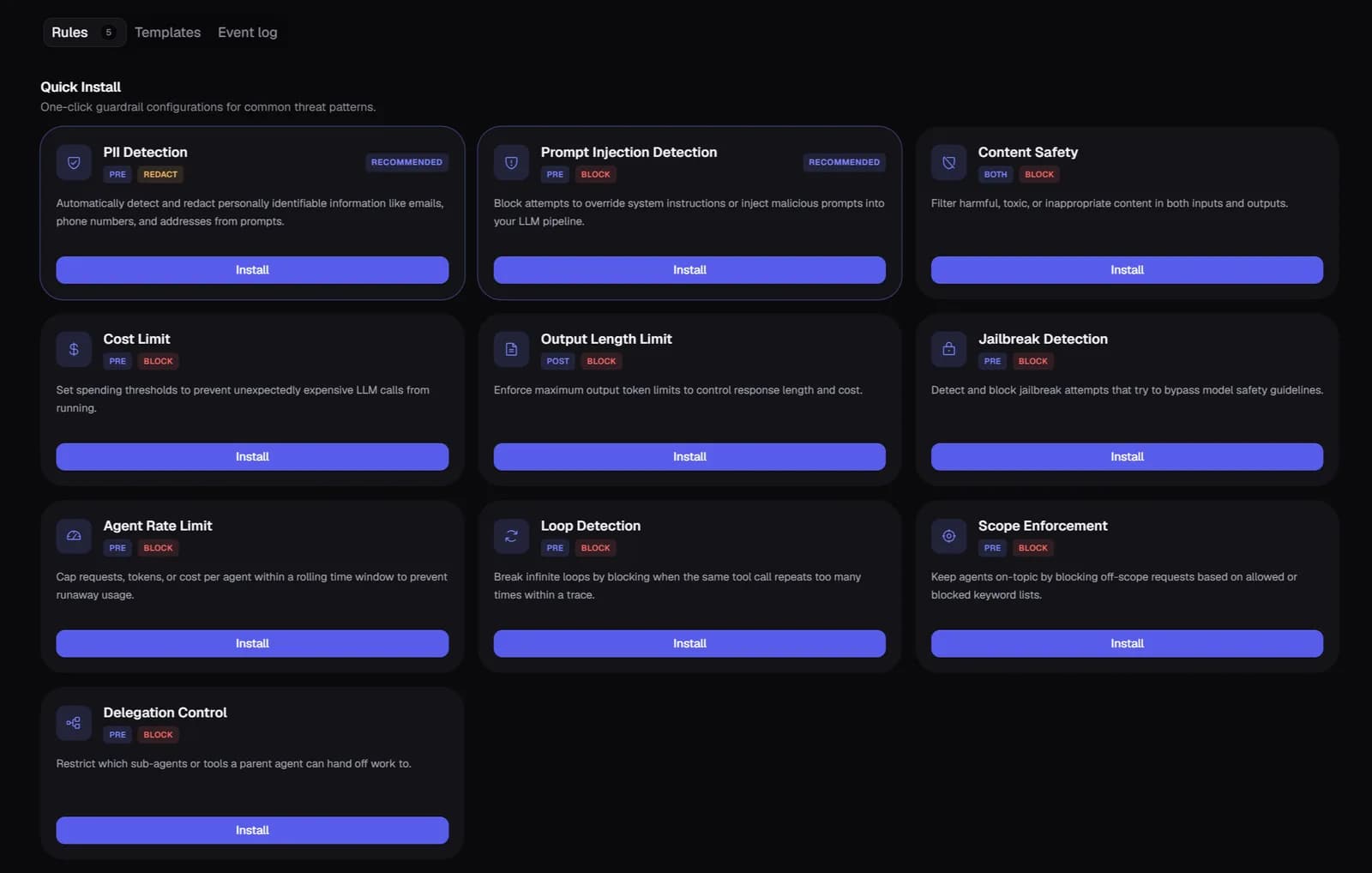
Stand up the same guardrail and governance layer on every engagement
Rules — business-logic guardrails, approval thresholds, audit requirements — are defined as code and reused across client deployments instead of rebuilt per project. What you ship on engagement one is the starting point for engagement two.
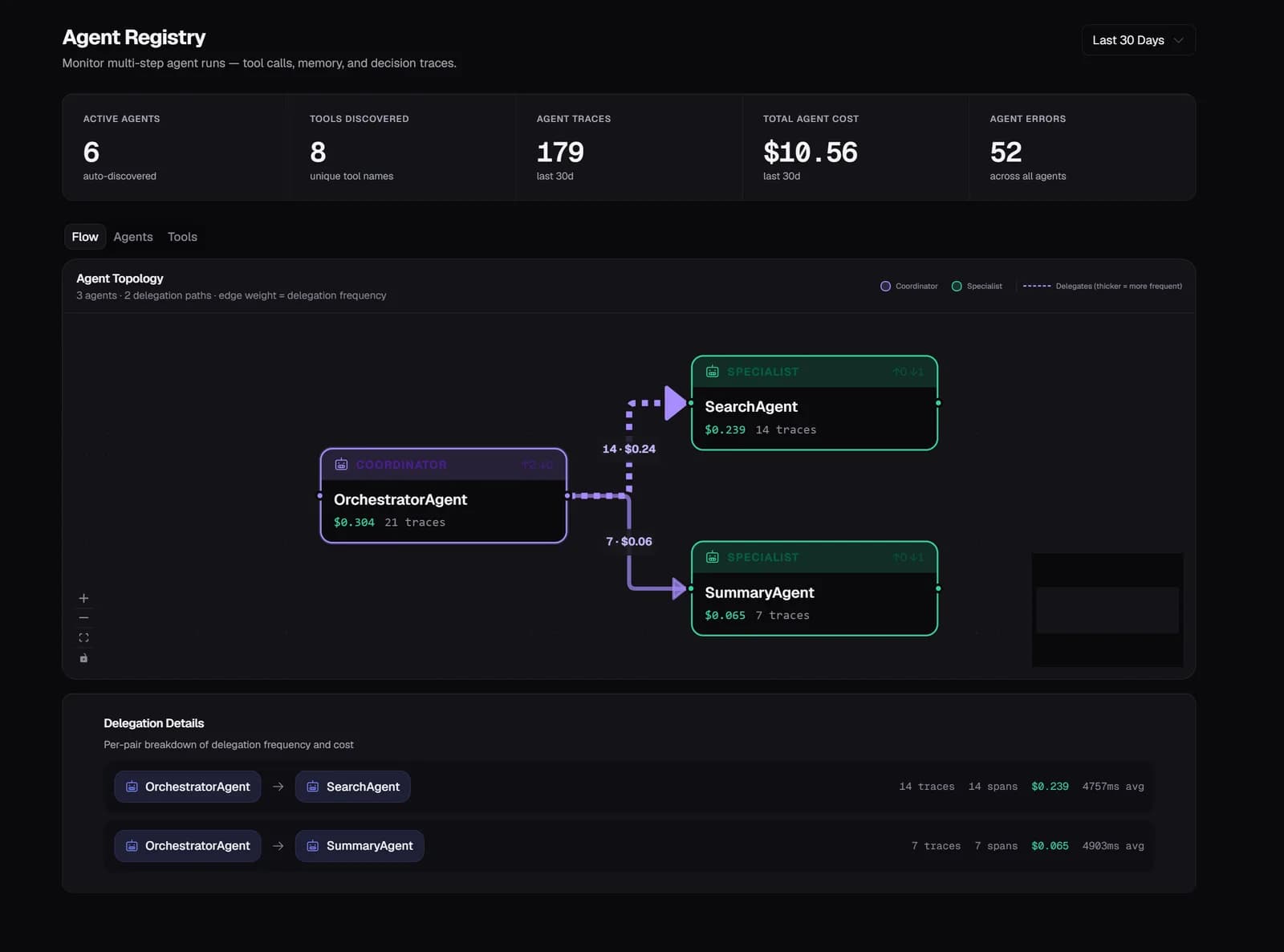
Get visibility into every client's agents from one place
Every deployment traces to the same dashboard: what the agent did, what was flagged, what was blocked. You're not dependent on a client noticing and reporting an issue before you know about it.
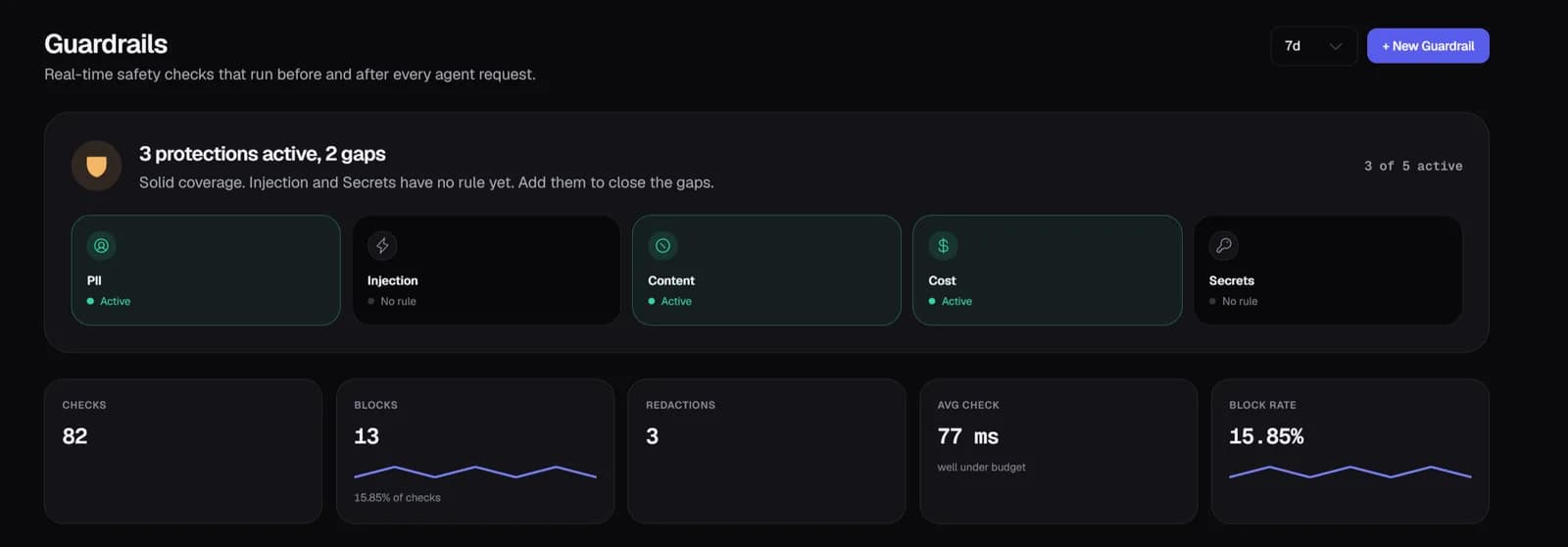
Backtest a rule against a client's own traffic before enforcing it
Every client's usage patterns differ. Before a rule goes live in a specific deployment, backtest it against that client's actual history, so you're not shipping a rule tuned on one client's traffic into another's production environment blind.
Self-host per client where data residency requires it
Where a client's contract or industry requires it, Zespan runs self-hosted inside their environment rather than a shared cloud instance, while your team still gets the same governance layer and visibility across every deployment.
Hand every client the same audit evidence, without custom work
Produce a compliance-ready audit trail — what was allowed, who approved what, when — as a standard part of every engagement, not a one-off deliverable your team assembles manually when a client's security review asks for it.
Start free — 50K traces/month, no card needed
See every agent decision, tool call, and handoff in production. Setup takes a few minutes.
Start free →